

Hezbollah Returns: It Didn’t Start a War, It Is Ending One – Analysis
By Robert Inlakesh

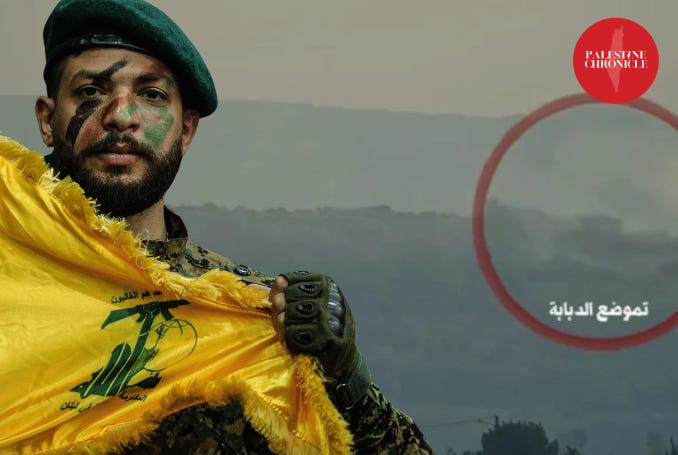
Hezbollah’s intervention in the war with Israel followed months of Israeli ceasefire violations in Lebanon, challenging Western media narratives about responsibility.
Key Takeaways
UNIFIL recorded more than 15,400 Israeli ceasefire violations in Lebanon between November 2024 and February 2026.
Hundreds were killed inside Lebanon during the ceasefire period, including around 150 civilians, while Israeli strikes repeatedly hit Beirut.
Hezbollah largely maintained the ceasefire for 15 months, cooperating with the Lebanese Armed Forces despite continued Israeli attacks.
Western media narratives claiming Hezbollah “dragged Lebanon into war” overlook the ongoing Israeli military actions and territorial violations.
Hezbollah’s battlefield performance suggests the group retained significant military capacity, contradicting claims that it had been decisively weakened.
Media Narrative vs. Reality
When Lebanese Hezbollah chose to fire on Israel, effectively transforming the US-Israeli assault on Iran into a regional war, it did so in retaliation for aggression against Lebanon. Contrary to what Western corporate media has reported, the group is not responsible for initiating the war, and its role in it is crucial to the region’s future.
At the beginning of this month, the BBC ran a story entitled “Battered and isolated, Hezbollah drags Lebanon into another war”. Written by the British State-funded media’s correspondent in Tel Aviv, the piece not only presents a biased and false depiction of events, cheap propaganda that you would expect from the Sun or other tabloids, but fails to even mention Israel in its title.